








Perform with FCCSA
Join our Content Team to create and share knowledge.
Learn how to be part of it



Be acquainted with our purpose, values, history and all that makes the FCC S.A. essence

A portfolio of products and solutions plenty of innovation, technology and sustainability.

To deliver products with leading edge technology and global quality is just our starting point. That is why we have a series of exclusive services for our customers and that make all the difference on a daily basis.

See in practical terms how innovation is present in the FCC S.A. DNA

Sustainability is present in every solution, delivery and process of our company: learn more.

We are made of synergy! Learn how you can become a FCC S.A. supplier

Learn how it is to work with FCC.S.A. Learn our culture, programs and check for opportunities.

Integrity and transparency are part of what we are. Check our annual reports and see the result of our work.

Find a variety of contents that permeate our businesses and see how you can be a part of what we create around here.

Together, we create more! Be a FCC S.A. partner and generate value for a world in transformation: learn how.

Gasoline stability is a critical factor for maintaining product quality during storage and use. It is primarily affected by oxidation and polymerization reactions that lead to the formation of gums and undesirable deposits [1], particularly under exposure to oxygen, elevated temperatures, and prolonged storage conditions.
Commercial gasoline is produced by blending different naphtha streams, among which FCCU (fluidized catalytic cracking unit) naphtha plays a key role. This stream is characterized by relatively high concentrations of olefins and, in particular, diolefins (dienes), highly reactive compounds that act as precursors for gum formation [2].
To meet product specifications, especially sulfur limits, FCCU naphtha is subjected to hydrotreatment. In this context, diolefins are particularly critical due to their direct impact on the catalytic performance of hydrodesulfurization (HDS) units, where they promote coke and deposit formation within the catalyst bed, ultimately reducing catalyst life [2].
Diolefin formation can occur in different sections of the FCCU process, predominantly through thermal reactions [1]:
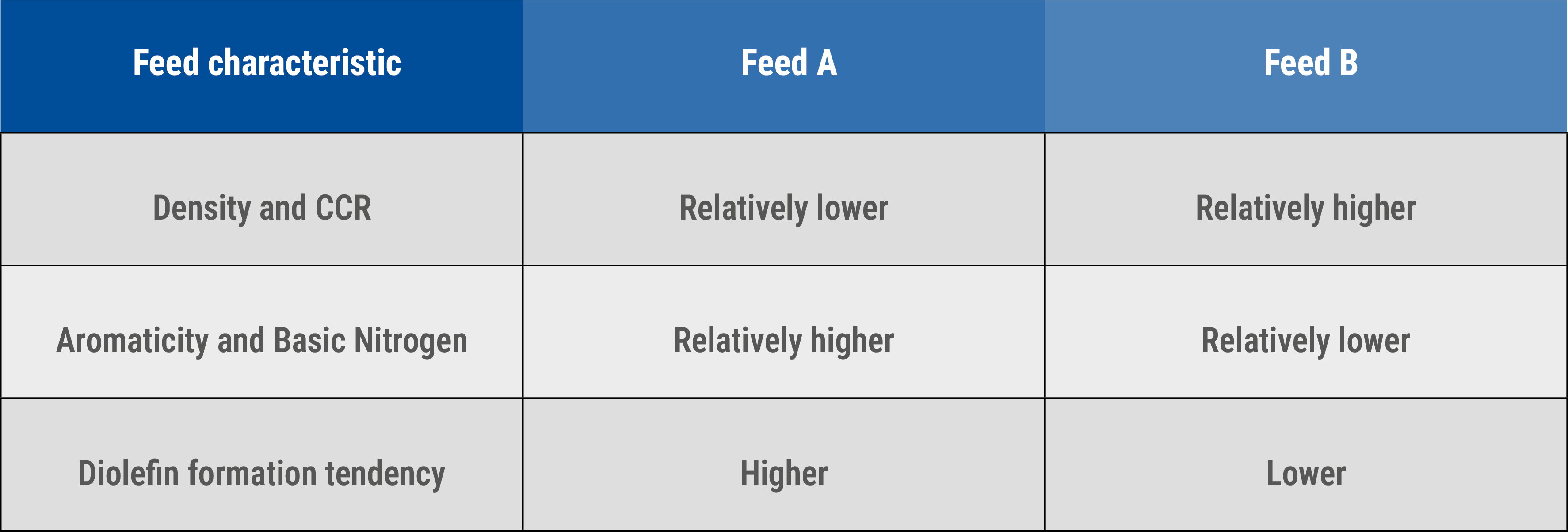
Table 1: Influence of feed composition on diolefin formation in FCCU naphtha
Source: Adapted from GILBERT (2004)
Brazilian regulatory agencies define gasoline specifications directly related to diene content, as summarized in Table 2:
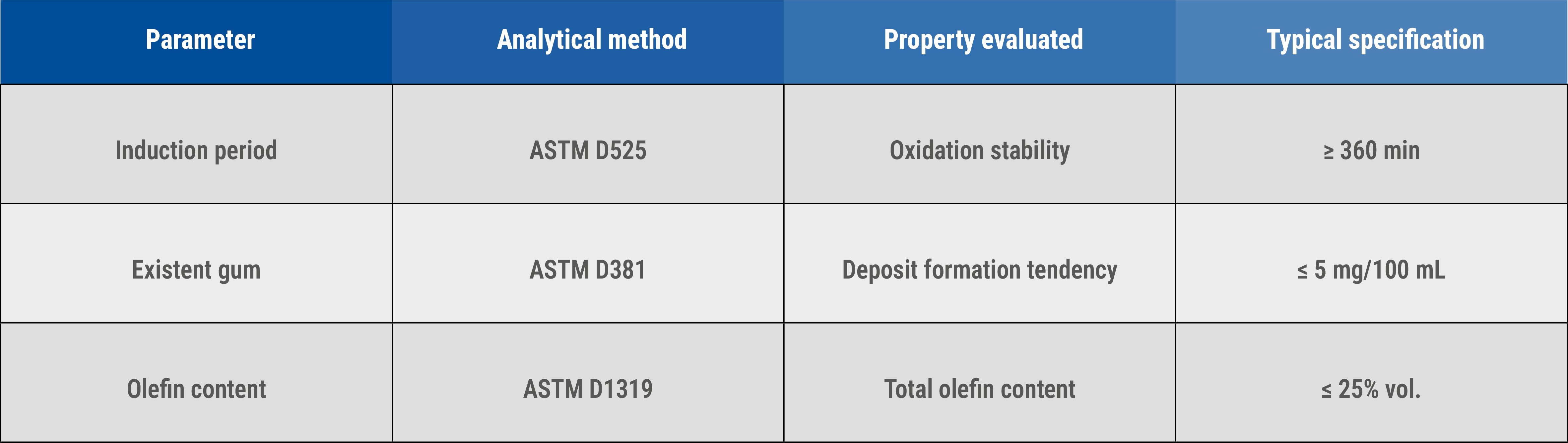
Table 2: Gasoline quality parameters associated with stability and gum formation according to ANP Resolution No. 807/2020 [4]
ASTM D1319 does not directly quantify diolefins, as these compounds are included within the total olefin fraction. Therefore, conjugated diene content is typically estimated using:

The main impacts of diolefins on naphtha quality and downstream operation are summarized in Table 3.
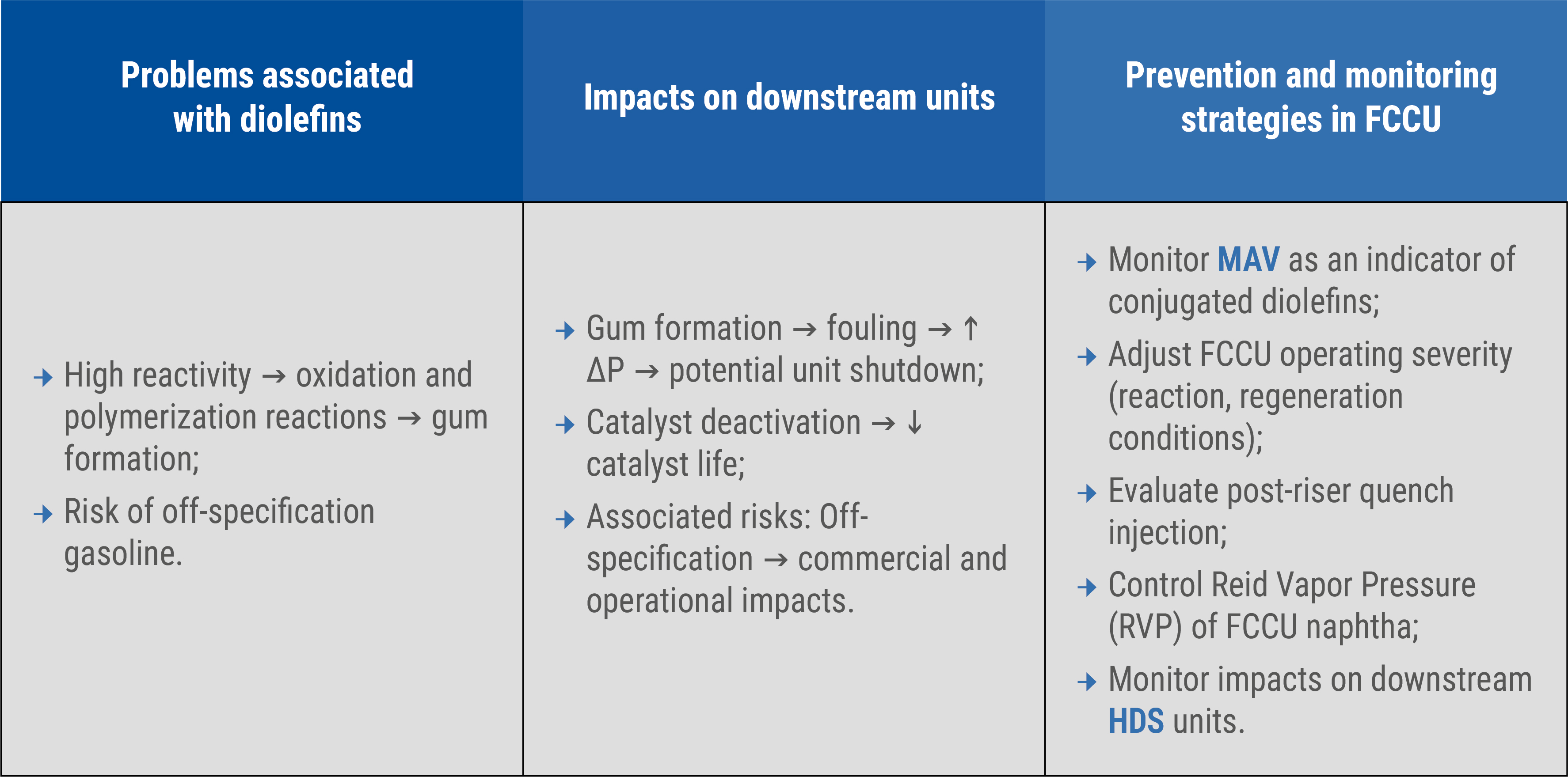
Table 3: Diolefins in cracked naphtha: impacts and control strategies
FCCU naphtha stability is strongly influenced by the presence of highly reactive compounds, particularly diolefins, which are primarily formed in post-riser regions and are affected by process thermal conditions and feedstock composition.
More severe operating conditions, combined with feeds containing higher levels of contaminants and lower paraffinic character, tend to favor the formation of these unsaturated compounds, which act as gum precursors and negatively impact both naphtha quality and HDS unit performance.
Effective control of diolefins in FCCU operation is essential to prevent catalyst deactivation, increased pressure drop, and reduced run length in HDS units. Consequently, the operational reliability of these units is critical, as failures or unplanned shutdowns can directly impact FCCU performance as well and, in more severe cases, the overall refinery operation.
Related publications




What did you make of the publication?